


Freelancer
Introduction:
The world of work has experienced a remarkable shift in recent years with the rise of freelancing. Increasing numbers of professionals are embracing the freelance lifestyle, driven by the desire for autonomy and flexibility. This trend has not only reshaped the job market but has also created countless opportunities for individuals to showcase their skills and expertise on a global scale. In this blog post, we will explore the world of freelancing, its benefits, challenges, and the transformative impact it has had on how we work and hire talent.
1.The Freelancer's Playground: Freedom and Flexibility:

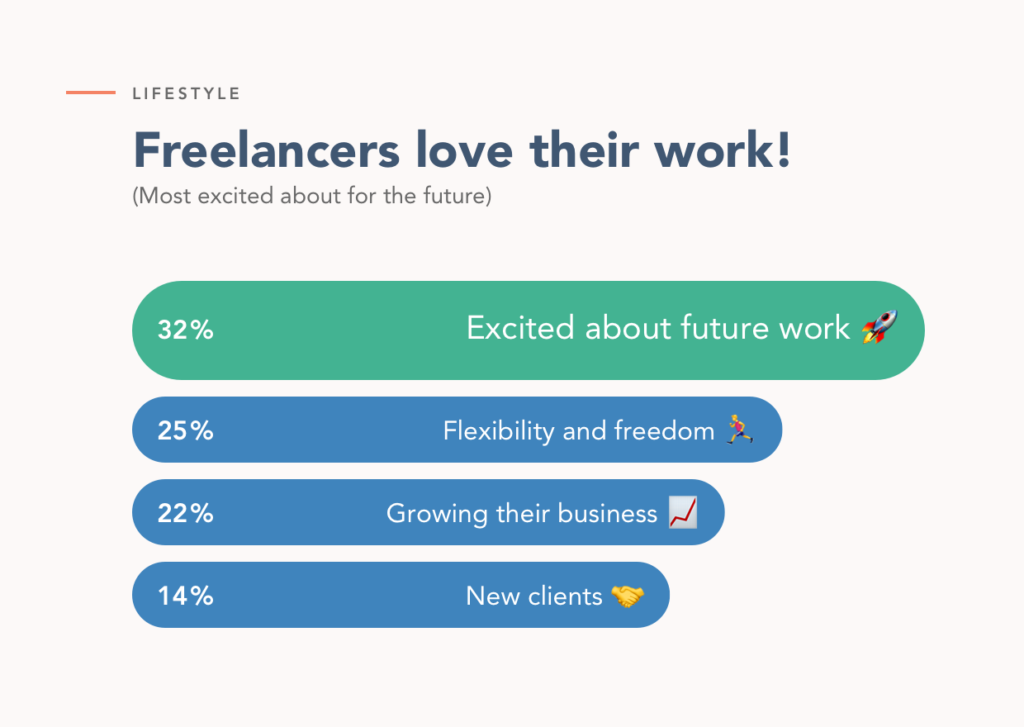
One of the most alluring aspects of freelancing is the freedom it affords. Freelancers have the ability to choose when, where, and how they work. They can set their own schedules, work from any location, and handpick projects that align with their interests and passions. This level of autonomy enables individuals to achieve a better work-life balance, pursue their creative endeavors, and take charge of their professional journeys.
Moreover, freelancing provides an avenue for professionals to explore various areas of interest and diversify their skill sets. For example, a graphic designer can undertake web design projects, create marketing collateral, or delve into illustration. This freedom to experiment not only keeps individuals engaged and motivated but also equips them with adaptable skills to meet evolving industry demands.
2.The Rise of the Gig Economy and Global Marketplace:
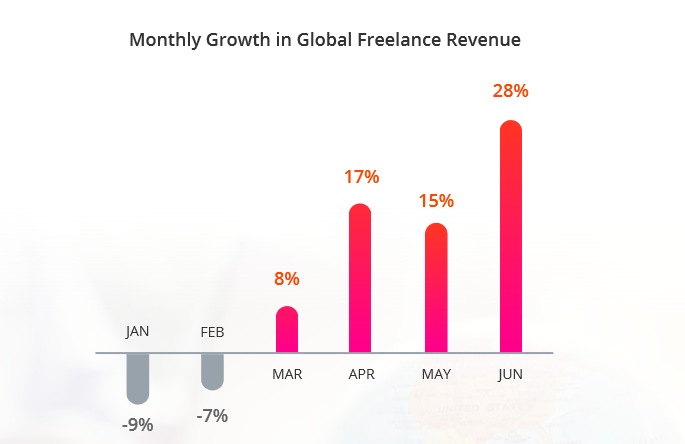
The advent of digital platforms and online marketplaces has played a pivotal role in the expansion of freelancing.With just a few clicks, companies can tap into a global talent pool, accessing specialized skills and expertise that may not be readily available in their local vicinity.
For freelancers, these platforms offer increased visibility and exposure to a vast range of potential clients and projects. They can create compelling profiles that showcase their portfolio, skills, and experience, enabling them to stand out in a competitive market. Additionally, these platforms often provide communication tools, project management systems, and secure payment methods, facilitating seamless collaboration between freelancers and clients.
3.Benefits and Challenges of Freelancing:

Freelancing brings a host of benefits, but it also presents its fair share of challenges. On the positive side, freelancers have the potential to earn a higher income, particularly if they specialize in high-demand fields. They can negotiate their rates and have the opportunity to earn more than they would in traditional employment. Furthermore, freelancers can choose their clients, leading to a higher level of job satisfaction and fulfillment.
However, freelancing also entails its own set of challenges. Freelancers must actively seek out clients, manage their own finances, and ensure a consistent flow of work. This necessitates effective self-marketing, networking, and continuous learning to remain competitive in an ever-evolving job market. Additionally, freelancers often lack the benefits and security associated with traditional employment, such as healthcare coverage or retirement plans. Consequently, freelancers must proactively plan and save for their future.
4.The Power of Independence: Freedom and Flexibility:
One of the most captivating aspects of freelancing is the unparalleled freedom it offers. Freelancers have the ability to set their own schedules, work from any location, and choose the projects they are passionate about. This level of autonomy allows individuals to strike a harmonious work-life balance, pursue personal interests, and take control of their professional journey.
Moreover, freelancing empowers professionals to diversify their skill sets and explore different areas of interest. For instance, a graphic designer can venture into web design, branding, or even illustration, catering to a wider range of clients and projects. This flexibility not only keeps freelancers motivated but also equips them with adaptability to thrive in an ever-changing job market.
5.The Gig Economy and the Global Talent Pool:

The advent of digital platforms and online marketplaces has played a pivotal role in the flourishing of freelancing. These platforms connect businesses and individuals seeking specific services with talented freelancers from around the world. Companies can now tap into a vast global talent pool and access specialized skills that may not be readily available within their local vicinity.
For freelancers, these platforms serve as a gateway to enhanced visibility and exposure to a wide range of potential clients and projects. By creating comprehensive profiles that showcase their portfolios, skills, and experiences, freelancers can stand out in a highly competitive market. These platforms often provide communication tools, project management systems, and secure payment methods, facilitating seamless collaboration between freelancers and clients.
6.Expanding Opportunities for Remote Work:
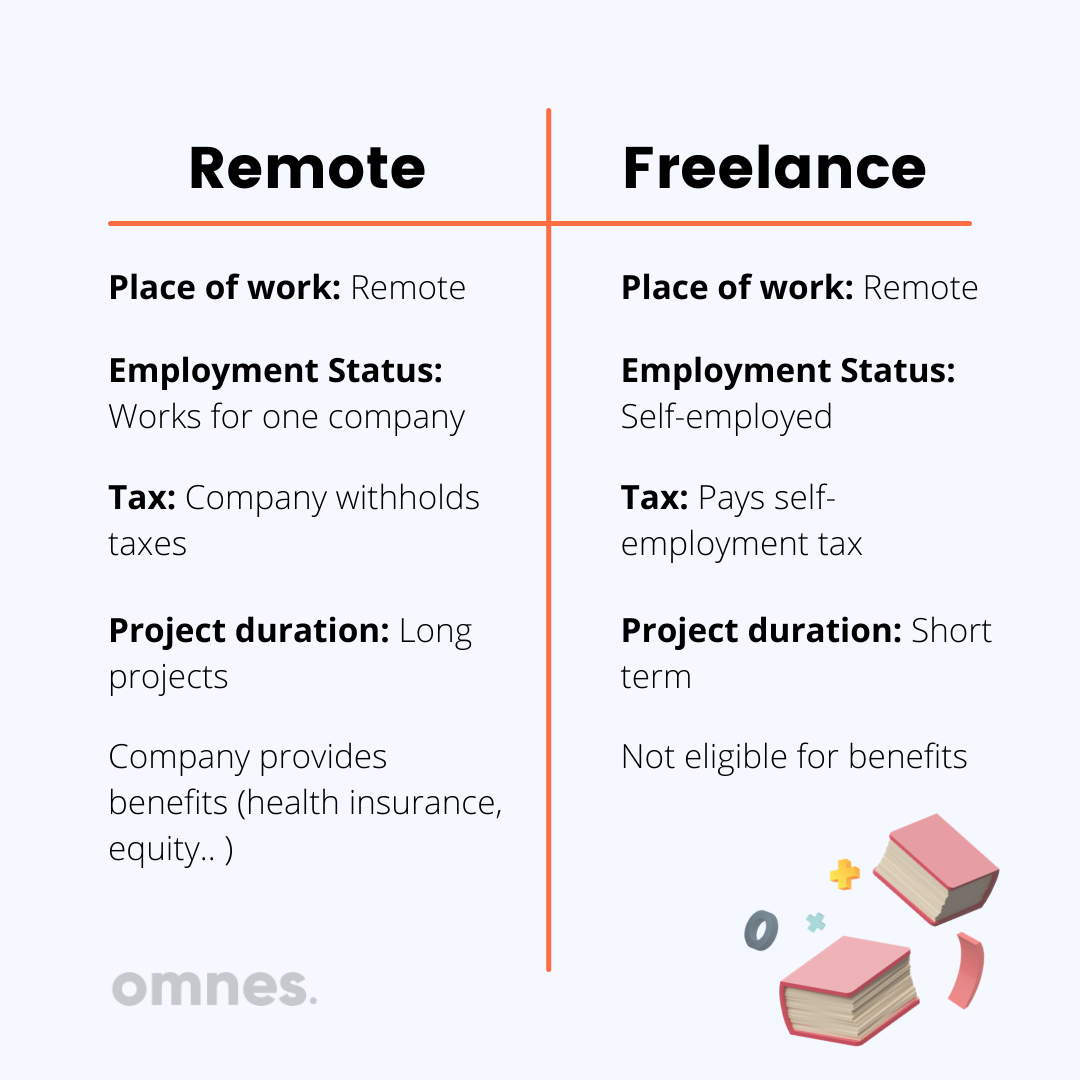
One of the significant drivers behind the rise of freelancing is the increasing acceptance and adoption of remote work. Technological advancements and the widespread availability of high-speed internet have made it easier than ever for professionals to work remotely and collaborate with clients and teams across different geographical locations. This shift has opened up a world of opportunities for freelancers, allowing them to work with clients from various industries and regions, regardless of physical proximity.
Remote work not only eliminates the need for a traditional office space but also enables freelancers to access a broader pool of projects and clients, transcending geographical limitations. This remote work revolution has created a flexible and inclusive environment, fostering diversity, innovation, and cross-cultural collaborations within the freelance community.
7.Building a Personal Brand and Nurturing Client Relationships:
In the competitive freelance landscape, building a strong personal brand is crucial for success. Freelancers need to showcase their unique skills, expertise, and value proposition to stand out from the crowd. Crafting a compelling personal brand involves creating a cohesive online presence, including a professional website, an engaging portfolio, and an active presence on relevant social media platforms. By consistently delivering high-quality work and maintaining excellent client relationships, freelancers can establish a positive reputation and gain repeat business and referrals. Nurturing client relationships is essential for long-term success as satisfied clients can become loyal advocates, providing valuable testimonials and endorsements.
Effective communication, responsiveness, and a customer-centric approach are key in building and maintaining strong client relationships. Additionally, freelancers can leverage online networking platforms, industry events, and professional communities to expand their network and connect with potential clients, opening doors to exciting opportunities.
8.The Importance of Continuous Learning and Skill Development:

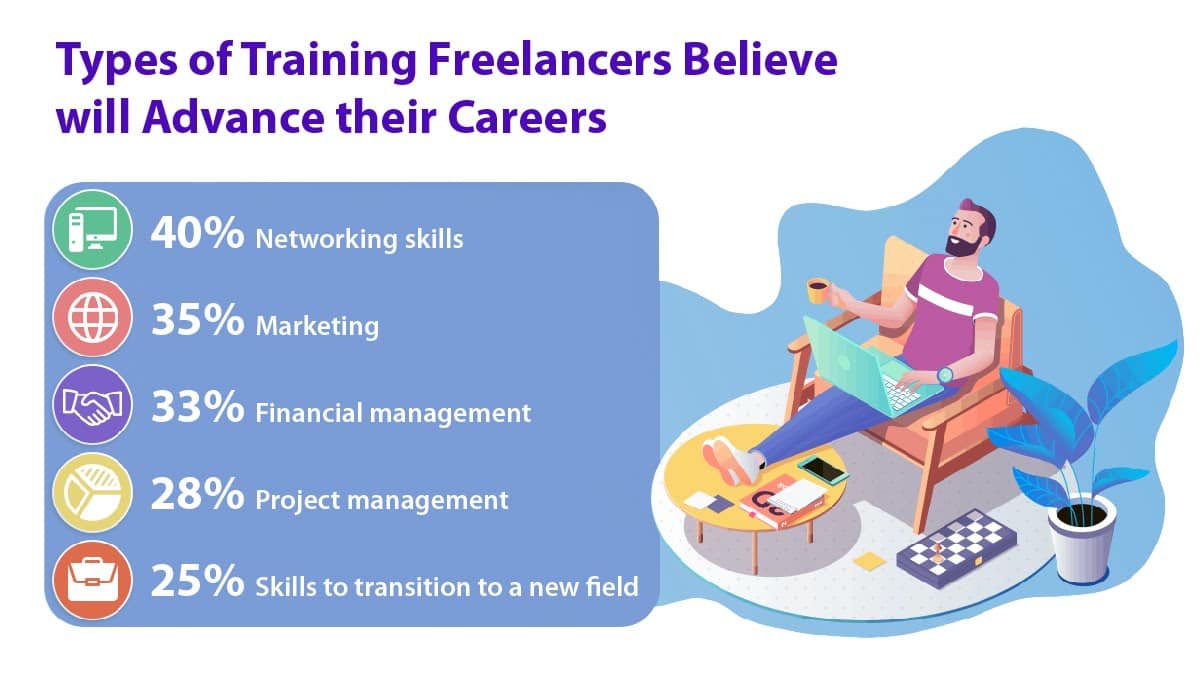
Freelancing is not just about offering a specific set of skills; it is also about staying relevant and adaptable in a rapidly changing job market. Continuous learning and skill development are vital for freelancers to remain competitive and seize new opportunities. Investing time and effort in staying updated with industry trends, acquiring new skills, and expanding existing ones can greatly enhance a freelancer's marketability. Online learning platforms, industry certifications, and professional development resources provide convenient avenues for freelancers to upskill and broaden their knowledge base. By embracing a growth mindset and actively seeking out learning opportunities, freelancers can future-proof their careers and position themselves as experts in their respective fields.
Furthermore, the ability to quickly adapt to emerging technologies, industry shifts, and client needs enhances a freelancer's value proposition and increases their chances of success in the ever-evolving freelance landscape.
Conclusion:
Freelancing has revolutionized the world of work, empowering individuals to seize control of their careers and pursue their passions. The emergence of digital platforms has fostered a global marketplace where talent knows no boundaries. While freelancing offers freedom and flexibility, it also demands resilience, adaptability, and self-motivation. As this trend continues to thrive, both individuals and businesses must embrace the opportunities and challenges that come with the evolving landscape of work. Whether you're a freelancer seeking independence or a business in need of specialized skills, the world of freelancing presents an exciting and transformative space for the modern workforce.


0 Comments